
Medicine · 26 Jun 2026 · 7 min read
Reading the Platelet Curve: How AI Sharpens Dengue Triage
By the ASI Research Lab
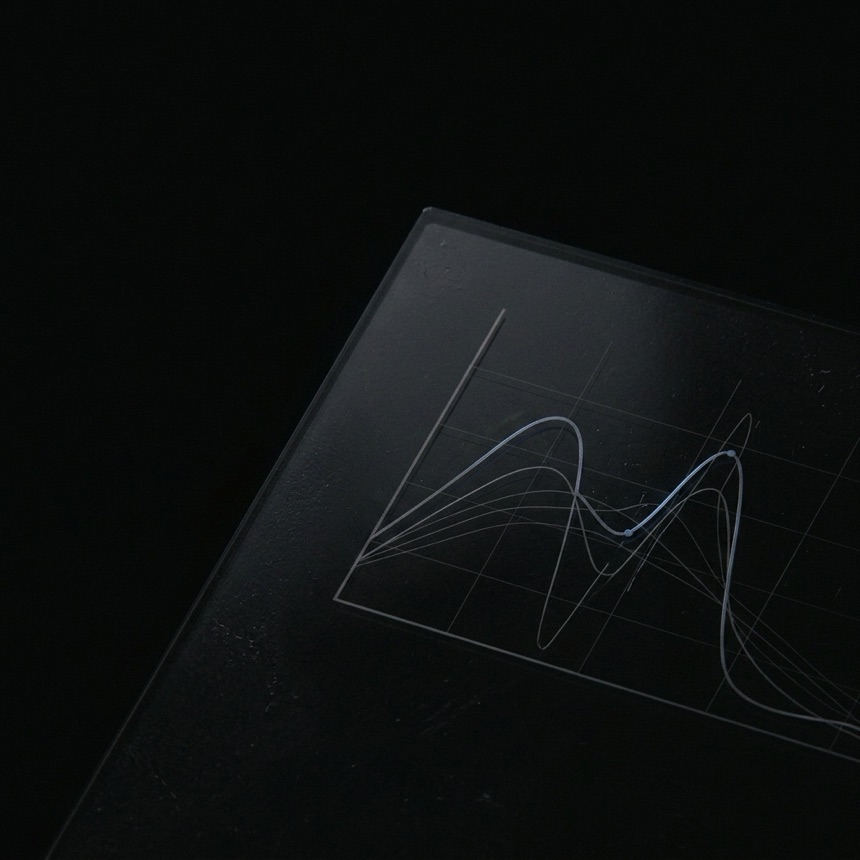
Dengue rarely shows its hand at first sight. The danger is in the turn — the narrow window, often between the third and seventh day, when a patient who looked stable begins to leak plasma and slides toward shock. Reading that turn early, and at scale, is one of the harder problems in tropical medicine. It is also where machine learning earns its place.
The signal is in the trajectory
A single platelet count says little. The trajectory says almost everything. As dengue moves into its critical phase, platelets fall while haematocrit climbs — the paired signature of fluid leaking out of the bloodstream. Clinicians have read these curves for decades; the difficulty was never knowing what to look for. It is watching closely enough, for enough patients, in wards that can receive hundreds in a single day of an outbreak.
Why triage breaks under load
In an ordinary week, an experienced physician triages dengue well. In a record season, that same physician sees a month of patients in a day. The warning signs are subtle and serial — they live in the change between yesterday's bloods and today's, not in any single result. That is precisely the kind of pattern a well-calibrated model can hold, patient after patient, without fatigue.
Decision support, not a verdict
The tool we are building reads the platelet and haematocrit trajectory alongside routine clinical inputs, and flags the patients whose curves resemble those that later deteriorated. It is a second set of eyes, not a replacement for the first — and it is trained on data from the settings where dengue actually surges, rather than the datasets most models inherit from Western hospitals. A first clinical output is targeted for December 2026 [TARGET].
A model cannot examine a patient, and it should never pretend to. It will miss the child who looks wrong in a way no lab captures. Its job is narrower, and worth doing well: to make a dangerous trend visible early, so that a clinician's judgment reaches the right patient sooner.